:max_bytes(150000):strip_icc():format(webp)/TermDefinitions_Utility-e42a7528caa347f9b1af149065ab2b9d.jpg)
Meaning of Utility
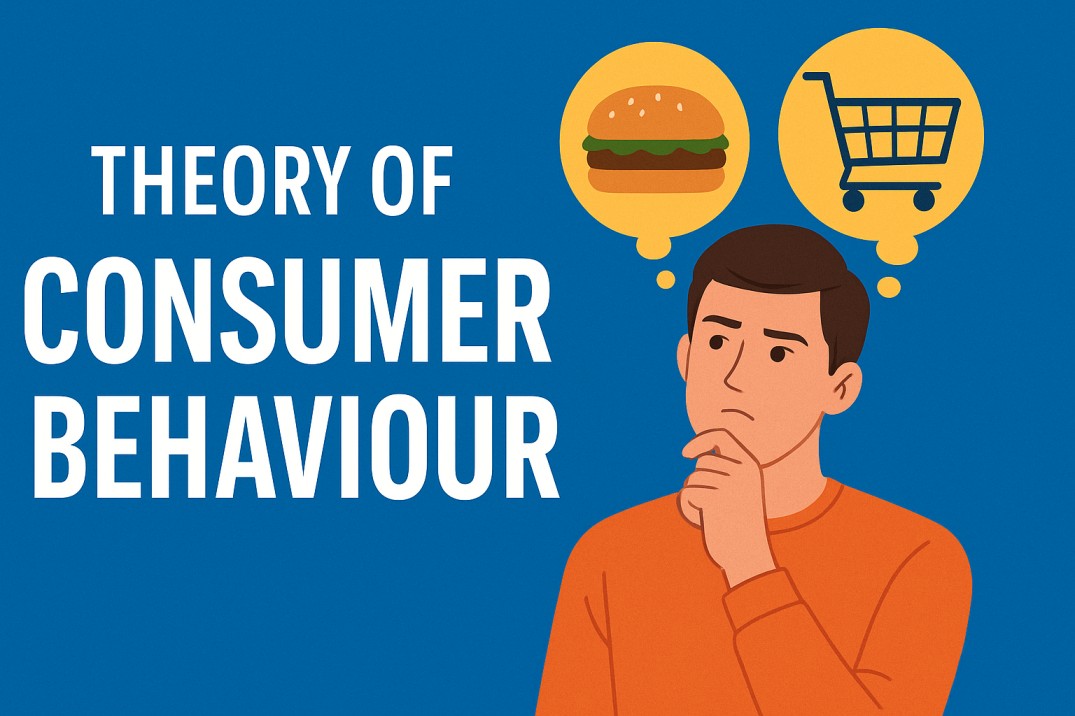
Utility is a fundamental concept in economics that refers to the satisfaction, pleasure, or usefulness a consumer derives from consuming a good or service. It represents the ability of a product to fulfill a need or want. In simple terms, utility explains why consumers buy what they buy — because goods provide them satisfaction.
Utility is a subjective concept. This means it varies from person to person, time to time, and situation to situation. What brings high satisfaction to one person may bring little or no satisfaction to another. For example, a glass of water provides high utility to someone who is thirsty, but very little utility to someone who is not.
Key Characteristics of Utility
1. Utility is psychological
It depends on the consumer’s mindset and personal preference. Two people may assign different levels of satisfaction to the same product.
2. Utility is relative
It changes with circumstances. A sweater gives high utility in winter but much less in summer.
3. Utility is not the same as usefulness
A good may be useful or harmful, but it can still have utility if it gives satisfaction. For example, cigarettes have utility for smokers even though they are harmful.
4. Utility has no ethical considerations
Economics measures satisfaction, not whether a good is good or bad for society.
Types of Utility
1. Form Utility
Created when the shape or structure of a product is changed to make it more useful.
Example: Turning wood into furniture.
2. Place Utility
Created when goods are moved from one place to another where they are more in demand.
Example: Transporting fruits to urban markets.
3. Time Utility
Created when goods are made available at the right time.
Example: Storing cool drinks for summer demand.
4. Service Utility
Created by providing services that satisfy human wants.
Example: Education, medical treatment, banking services.
Importance of Utility in Economics
- Basis of Demand – Demand for any good exists only because it provides satisfaction to consumers.
- Explains Consumer Behavior – Helps in understanding why consumers prefer certain goods over others.
- Foundation of Consumer Analysis – Concepts like marginal utility, total utility, and the law of diminishing marginal utility are built on utility.
- Helps Producers – Producers design products based on what gives the highest utility to consumers.
Conclusion
Utility is central to understanding consumer decisions in economics. It explains how and why individuals allocate their limited resources to purchase goods and services. Since utility is subjective, economists use it as a tool to analyze demand, preferences, and consumption patterns.
SEO meta title, meta description, and keywords
:max_bytes(150000):strip_icc():format(webp)/marginalutility-cff85ddfd620484f8afbf9d3f6cf4b74.jpg)