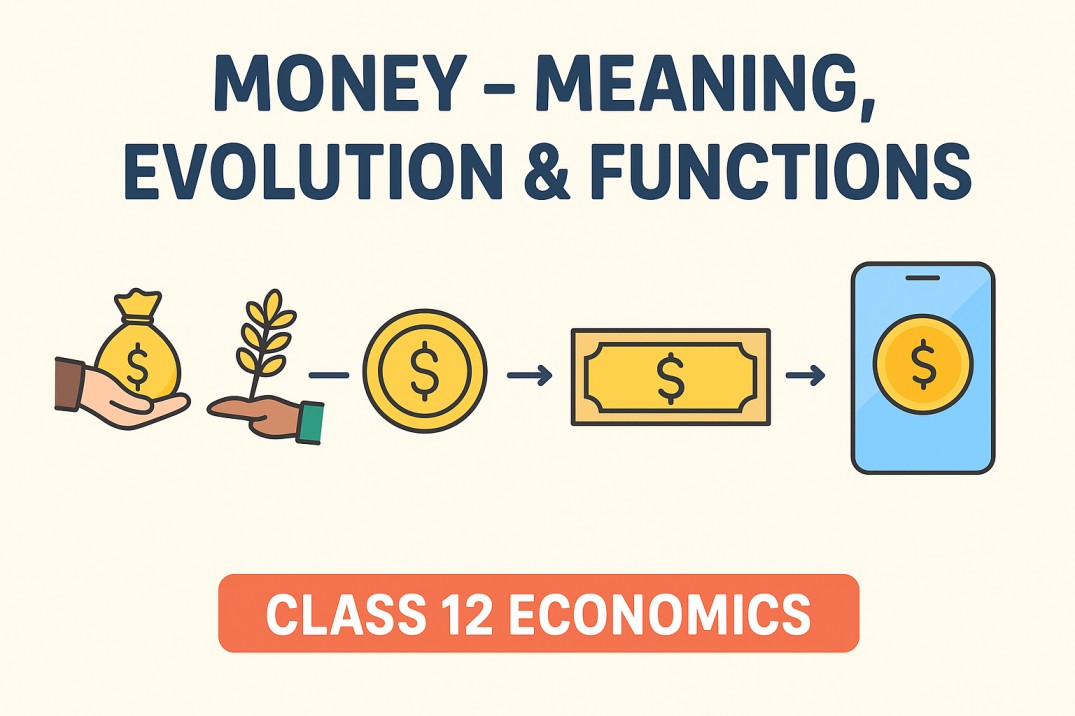
💰 Money – Meaning, Evolution, and Functions
Money is something we all use every day — to buy snacks, pay bills, or even send online payments. But have you ever wondered what exactly money is and how it came into existence? Let’s dive into its meaning, evolution, and the important functions it plays in our economy.
🪙 Meaning of Money
In simple terms, money is anything that is generally accepted as a medium of exchange.
It helps people buy and sell goods or services without facing the trouble of direct exchange.
According to Crowther, “Money is anything that is generally accepted as a means of exchange and at the same time acts as a measure and store of value.”
In short, money makes trade easier, acts as a common measure, and helps us store wealth.
🕰️ Evolution of Money
Money didn’t exist in the beginning. People used to exchange goods directly — this system was called Barter System. But it had many problems, like the double coincidence of wants (both parties had to want what the other had). So, to make life easier, people started using items that everyone valued. That’s how money evolved through different stages:
-
Barter System – Exchange of goods for goods (e.g., rice for wheat).
➜ Problem: Both sides had to want what the other offered. -
Commodity Money – People began using valuable items like gold, silver, salt, or cattle as money.
➜ Problem: Difficult to carry and divide. -
Metallic Money – Coins made of metals like gold, silver, or copper started being used.
➜ Easier to handle but still heavy for large transactions. -
Paper Money – Governments introduced paper currency which was lighter and more convenient.
-
Credit Money – People began using cheques, bank drafts, and promissory notes for transactions.
-
Electronic or Digital Money – In today’s world, money is often just numbers in your phone or bank account — online transfers, UPI, debit cards, and digital wallets like Paytm or Google Pay.
⚙️ Functions of Money
Money plays many roles in the economy. Economists usually divide its functions into primary, secondary, and contingent functions.
1. Primary Functions
- Medium of Exchange: Money eliminates the need for barter and allows buying/selling easily.
Example: You buy groceries using cash or card. - Measure of Value: Money helps in measuring the value of goods and services.
Example: Saying a shirt costs ₹500 gives a clear idea of its worth.
2. Secondary Functions
- Store of Value: Money can be saved and used later without losing value quickly.
Example: You can save ₹1,000 today and use it next week. - Standard of Deferred Payments: Future payments, loans, or salaries are made in terms of money.
Example: Paying EMIs over time. - Transfer of Value: Money can be easily transferred from one person to another.
Example: Sending money to a friend via UPI.
3. Contingent Functions
- Basis of Credit System: Modern banking works on credit and depends on the trust in money.
- Distribution of National Income: Money helps measure and distribute income in the economy.
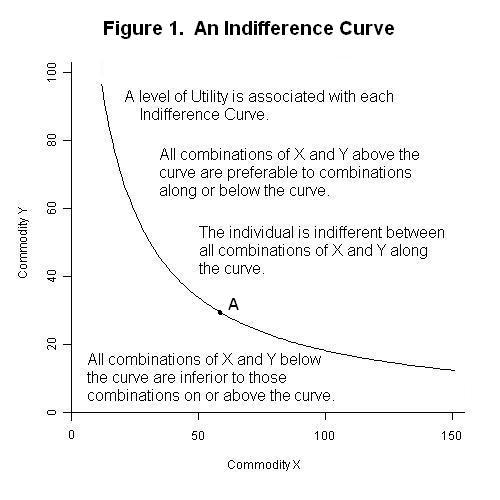
- Maximization of Utility: Money allows people to choose what they want most, improving satisfaction.
💡 Conclusion
From barter to digital payments, the journey of money shows how human society evolved to make trade simpler and faster. Today, money is not just paper or coins — it’s the lifeline of the economy, connecting people, businesses, and nations. Understanding its evolution and functions helps us appreciate how deeply it influences our daily lives and the economy as a whole.
:max_bytes(150000):strip_icc():format(webp)/marginalutility-cff85ddfd620484f8afbf9d3f6cf4b74.jpg)
:max_bytes(150000):strip_icc():format(webp)/TermDefinitions_Utility-e42a7528caa347f9b1af149065ab2b9d.jpg)