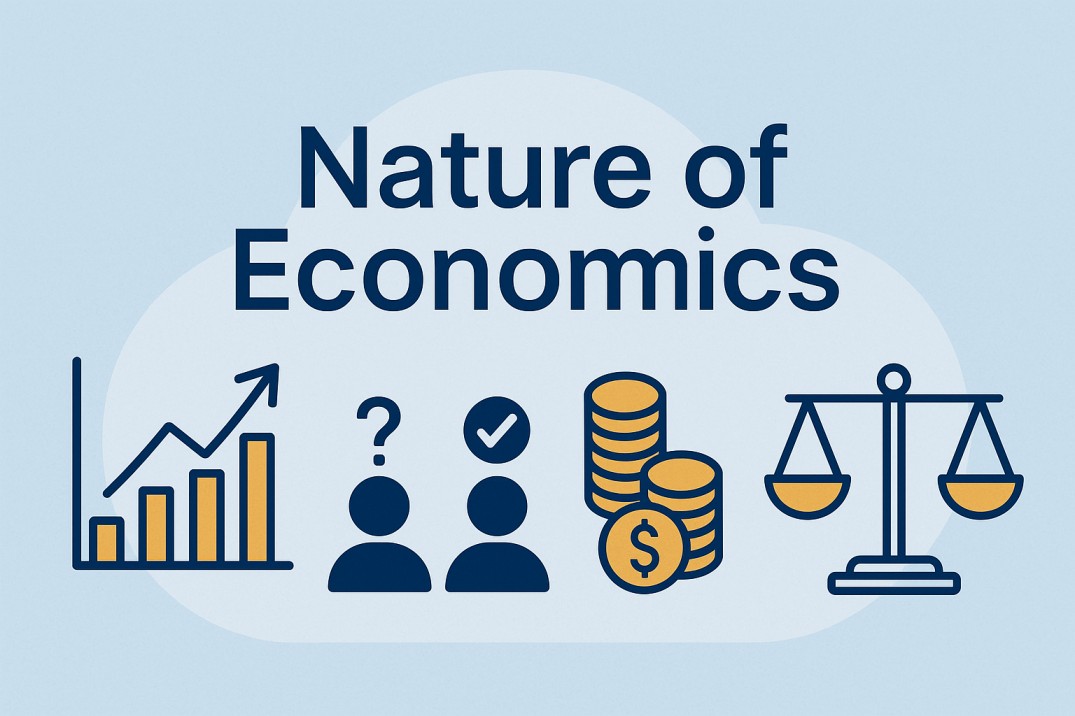
What Is an Economy?
An economy’s just the whole setup that lets a place make, move around, or use stuff and services. Each time someone grabs an item, companies build things, yet governments toss cash into projects - it all feeds into the economic flow.
Imagine a massive web where folks, businesses, or nations swap stuff to meet their desires - using what little they’ve got. Each part connects differently, yet depends on the rest.
1. The Core Idea Behind an Economy
Inside every economy hides a basic issue:
People always want more, yet what’s available isn’t enough. Stuff runs out fast because desires never do.
This shortage means each community must have a way to make choices
What to produce
How to produce
Who should it be made for
These choices shape how people trade, work, or build. They set the base for daily money moves. Each one guides what folks buy, sell, or skip.
2. Key Components of an Economy
a) Production
This means making stuff or helping people - like growing food, building things, or coding apps.
b) Consumption
People use what’s made around them. Buying groceries, apparel, or gadgets? That’s how folks take part in using stuff.
c) Distribution
This is how products get to people who use them - using trucks, shops, selling steps, or moving stuff around.
d) Exchange
Bargaining that swaps cash for items or vice versa.
3. Types of Economies
1. Market Economy
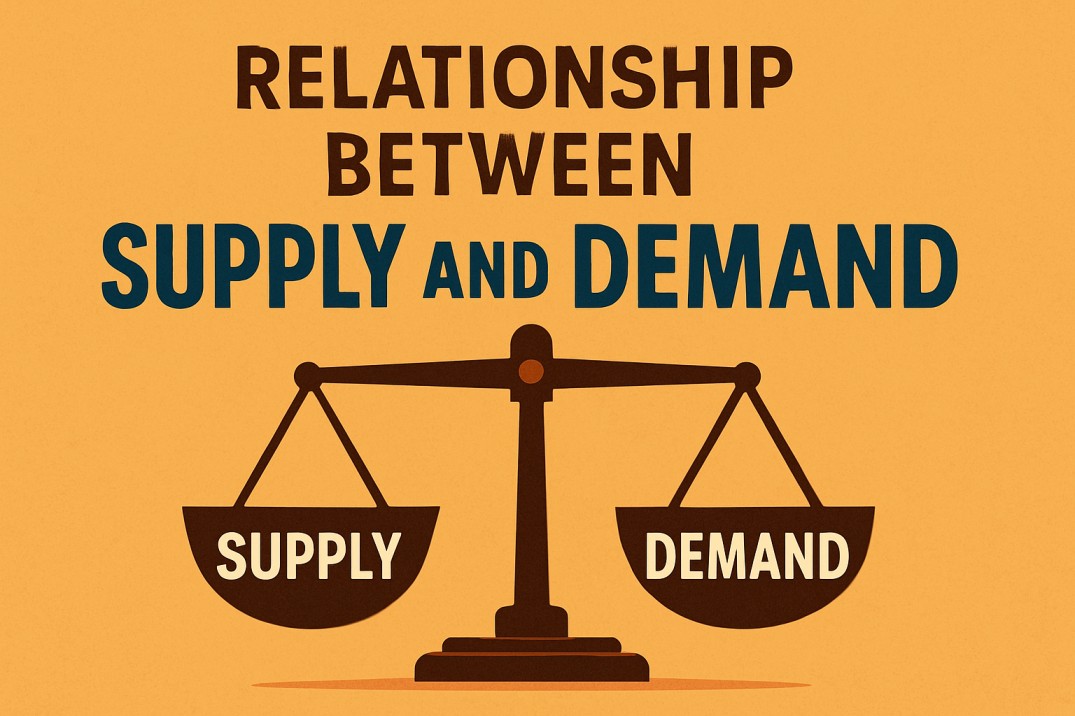
People who buy stuff make choices, while those selling do too. What something costs comes from how much folks want it compared to what's available.
2. Planned Economy
The government picks what gets made, how much is made, while setting the price people pay.
3. Mixed Economy
A mix of two things. In India, businesses operate on their own - yet rules from officials still shape how they run.
4. Why Do Economies Differ?
Economies change from place to place. That’s due to differences in how people live, work, or trade - shaped by local rules, resources, or habits
Available resources
Population size
Government policies
Technology
Culture alongside social setup
These things decide how quickly a nation moves forward or how decent life feels for folks there.
5. Goals of an Economy
A working economy tries to:
Increase living standards
Reduce poverty
Provide employment
Maintain balanced pay across everyone
Promote economic stability
Fuel progress while sparking new ideas
In the end, what really matters is improving folks' lives.
Conclusion
An economy isn't only cash - instead, it's how people handle what they have when what they want never ends. Whether picking meals, careers, or dealing with costs, economic forces shape each day stuff. While some focus on wealth, others look at choices shaped by scarcity and need.
:max_bytes(150000):strip_icc():format(webp)/marginalutility-cff85ddfd620484f8afbf9d3f6cf4b74.jpg)
:max_bytes(150000):strip_icc():format(webp)/TermDefinitions_Utility-e42a7528caa347f9b1af149065ab2b9d.jpg)