Principles of Management: The Foundation of Effective Leadership
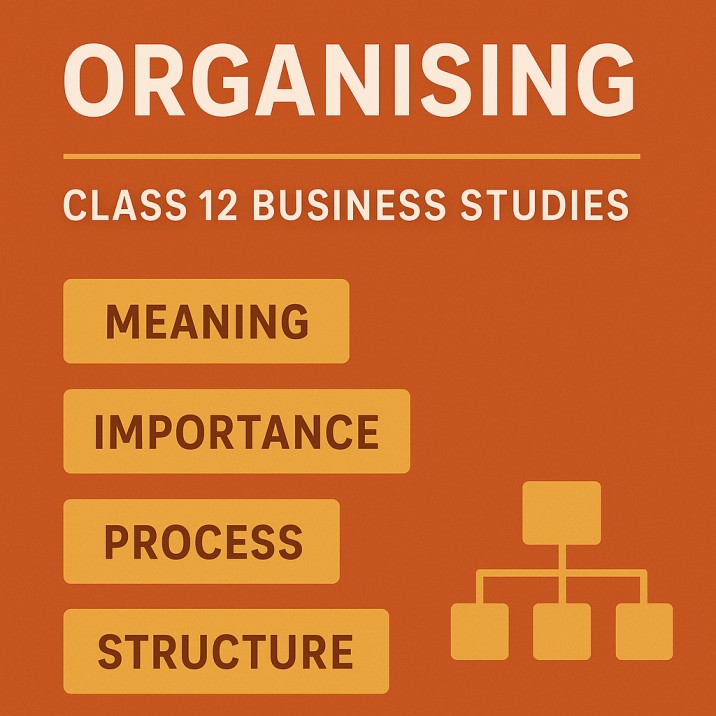
Leadership isn't simply barking commands or watching others work. Basically, it's making progress using teamwork - while keeping things smooth, balanced, and focused on targets. For this to actually happen, key guidelines - the so-called management basics - help bosses choose wisely, guide groups without chaos, plus reach goals with less trouble.
These ideas serve as a guide - never spelling out precise steps, yet still giving focus, order, or purpose when things feel chaotic on the job.
1. Division of Work
Try doing everything on your own - it’s draining, isn’t it? Splitting up jobs involves chopping big loads into small bits, then giving them to whoever fits best. That way things move faster, attention gets sharper, while workers grow better at their roles.
2. Authority and Responsibility
Power to make decisions defines authority. Getting work done because you’re expected to - that’s responsibility. These two need each other, really. No control but stuck doing the job? You're blocked. Got full permission yet nobody checks your results? Chaos follows. Keep them matched - works better that way.
3. Discipline
Staying disciplined isn't about always cracking down hard. It's setting clear boundaries, following through on them, also acting with integrity day in and day out. When teams stick to structure, trust grows stronger, routines stay steady, besides everyone feels treated equally.
4. Unity of Command
Each worker ought to take direction from just a single supervisor - never more than that. That way, things stay clear, tension drops, while talks flow easier. If commands pour in from every side, errors will pop up without fail.
5. Unity of Direction
When you think about it, one idea deals with folks sticking together under a single leader; another’s about aiming for the same target. Folks chasing the same result need to use just one roadmap, go by a shared approach. That way, actions stay synced - no mess or confusion pops up.
6. Subordination of Individual Interest to Organizational Interest
What you like matters, yet on the job, what counts most is where the team needs to go. If each person focuses on that shared direction, things flow smoother plus results come easier.
7. Remuneration
Fair wages matter. Workers paid fairly tend to stay driven, cheerful, or eager to give solid effort. Paying well isn’t merely an expense - it’s putting trust in your team.
8. Centralization and Decentralization
Centralized setups keep choices high up in the chain. On the flip side, decentralized ones spread power across different layers. One isn’t better than the other by default - what works depends on context, how things are set up, along with what the group aims to achieve.
9. Scalar Chain
This points to the clear chain of command inside a company - starting at the top, reaching down to the lowest rank. It keeps messages straightforward and easy to follow. Yet if quick choices are needed right away, workers might skip levels using side channels - the so-called “gang plank” - to speed things up.
10. Order
Things work better when stuff’s where it should be - when folks, tools, and supplies are lined up just right. If things stay tidy, you move faster without mix-ups slowing you down. A clean setup keeps tasks flowing without hiccups.
11. Equity
Workers do their best when shown fair treatment, dignity, or warmth. Balanced actions create confidence, lower tensions, yet support a positive space where staff sense real value.
12. Stability of Personnel
Frequent staff changes hurt a business. With steady teams, people learn over time while adding value step by step. Longer tenures mean stronger abilities stick around - boosting results through trust built slowly.
13. Initiative
Workers tend to care more about what they do once they’re allowed to come up with new ways of doing things, pitch changes, or step forward when chances pop up. Bosses can help by letting team members speak up - this opens doors for fresh thinking instead of just sticking to routine jobs.
14. Esprit de Corps
This French saying stands for "the feeling of being united as a group." It highlights working side by side, staying in sync, because of shared backing. As folks join forces with confidence while helping one another, output goes up on its own, also the atmosphere at work feels way better.
Conclusion
The principles of management aren't strict laws - instead, they're adaptable ideas guiding leaders to perform well while shaping positive team environments. In large companies, tiny startups, or just classroom assignments, such concepts keep things on track so targets get hit, individuals stay motivated, and tasks move without hiccups.
:max_bytes(150000):strip_icc():format(webp)/marginalutility-cff85ddfd620484f8afbf9d3f6cf4b74.jpg)
:max_bytes(150000):strip_icc():format(webp)/TermDefinitions_Utility-e42a7528caa347f9b1af149065ab2b9d.jpg)