Micro and Macro Levels of Economic Activities
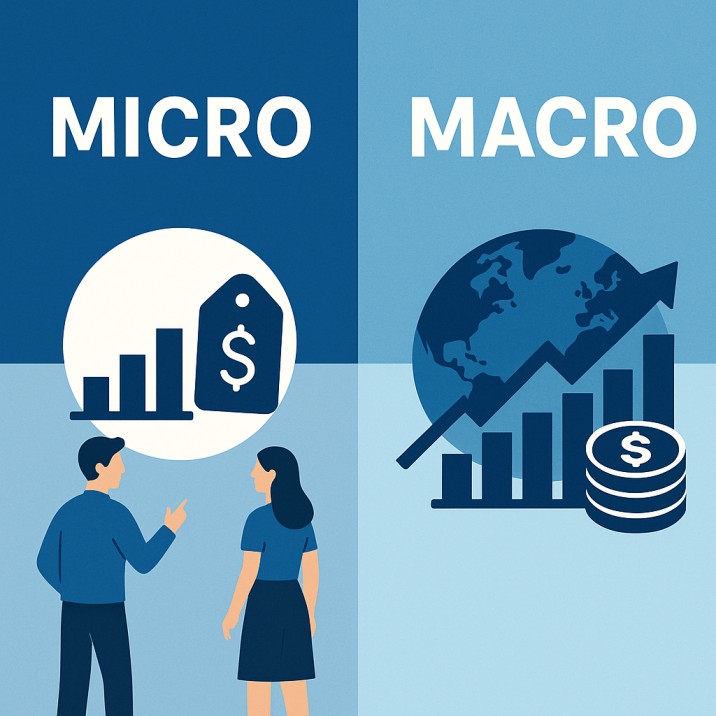
Economic actions show up in two main ways: small-scale and large-scale. Yet each helps explain how economies work, just from separate angles or viewpoints. On one hand, micro deals with people and businesses directly; meanwhile, macro checks out national trends and overall patterns.
Micro Level of Economic Activities
The tiny scale focuses on choices made by single people or groups in the economy. Things like shoppers, employees, makers, or businesses are part of this picture - each shaping their own actions based on what they need or want.
Key Features
Individual Decision-Making
Households pick their purchases based on needs, while companies figure out what makes sense to create. Prices form depending on supply and demand in individual markets. Firms adjust output when customer interest shifts. Buyers change habits if costs go up or down.
Allocation of Resources
It looks into how scarce supplies get shared across different needs in local settings - using choices that prioritize one use over another when they clash.
Demand and Supply Analysis
Microeconomics looks at how buyers and sellers shape prices in specific markets. It checks what happens when wants meet availability. Prices shift based on who shows up and what they want. The balance comes from real choices people make daily.
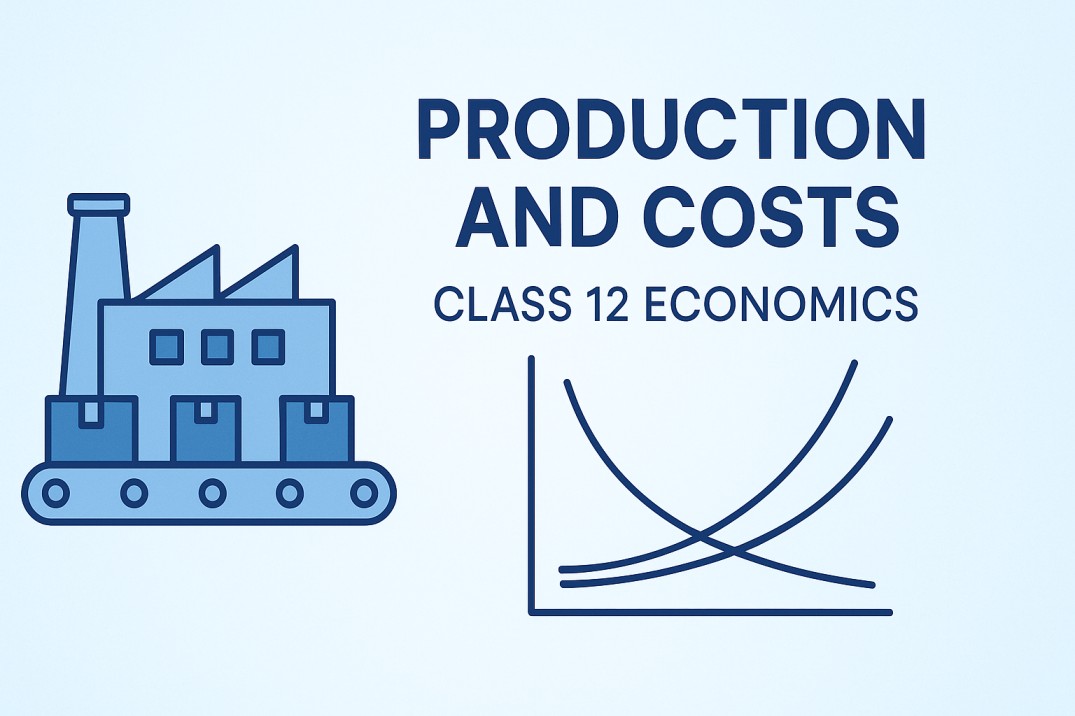
Production plus expenses - this examines how makers handle spending, pick ways to create stuff, also figure out the best amount to make.
Firms operate in various setups - like perfect competition or monopoly - to grasp how prices and production shift. These models include monopolistic rivalry plus oligopolies, each shaping decisions differently. Understanding them helps predict company moves using real-world logic instead of theory alone.
Examples of Micro-Level Activities
A person picking one phone brand instead of another
A bakery figuring out how many loaves to make
Price fluctuations in the vegetable market
A business deciding what to charge by how much people want it
Macro Level of Economic Activities
The big picture looks at the whole economy instead of single parts. It checks broad economic factors along with shifts over time.
Key Features
National Income and Output
It looks at how much stuff a nation makes, using numbers such as GDP or income totals.
Aggregate Demand and Supply
It checks the big picture of what people want versus what's available, also showing how that affects the whole economy’s movement.
Employment and Unemployment
Macro looks at job numbers, how many people don't work, also what drives these changes nationwide.
Inflation and Price Stability
It looks into why prices go up overall, while also checking what steps can slow down rising costs.
Economic Growth and Development
Macroeconomics looks at how economies grow over time, ways people’s lives get better, also plans that guide growth.
Government Policies
Fiscal moves - like taxes and spending - are looked at alongside central bank actions on cash flow plus rates, showing how leaders try to steady the economic ship. Government tools shape growth while financial levers tweak borrowing costs, both shaping what happens in markets.
Examples of Macro-Level Activities
A country's GDP growth rate
National unemployment levels
Inflation across the country
Public spending plus tax rules
Shifts in borrowing costs set by the main financial authority
Differences Between Micro and Macro Levels
Basis Micro Level Macro Level Scope Individual units Entire economy Focus Consumer and firm behaviors National income, inflation, unemployment Tools Used Demand/supply analysis, cost curves Aggregate demand/supply, national accounts Nature Small-scale Large-scale Objective Efficient allocation of resources Economic stability and growth Interdependence of Micro and Macro Levels
While one looks at tiny parts, the other deals with big pictures - yet both tie together somehow
Small choices - say, what people spend - affect big numbers, such as overall demand.
Big economic trends - say, rising prices - influence how regular folks spend their money. One shapes the other, even if it’s not obvious day to day.
This way, one level builds on the other - giving a full picture of how an economy works.
Conclusion
Micro and macro parts of how money works give us two key ways to look at the economy. Although micro looks closely at single markets and choices, macro takes a wide view of everything together. Knowing each side makes it easier to tackle issues while shaping better financial rules.
:max_bytes(150000):strip_icc():format(webp)/marginalutility-cff85ddfd620484f8afbf9d3f6cf4b74.jpg)
:max_bytes(150000):strip_icc():format(webp)/TermDefinitions_Utility-e42a7528caa347f9b1af149065ab2b9d.jpg)