The Importance of Martial Arts: More Than Just Fighting
When most people hear the words martial arts, they imagine flying kicks, action-movie punches, or intense matches. But anyone who has ever stepped into a dojo or training hall knows the truth: martial arts is less about fighting others and more about learning to master yourself.
Martial arts has existed for centuries across cultures—Karate in Japan, Taekwondo in Korea, Kung Fu in China, Kalaripayattu in India, and so many others. Each form looks different, but they all share one deeper purpose: helping people grow physically, mentally, and emotionally.
1. Building Real Physical Strength
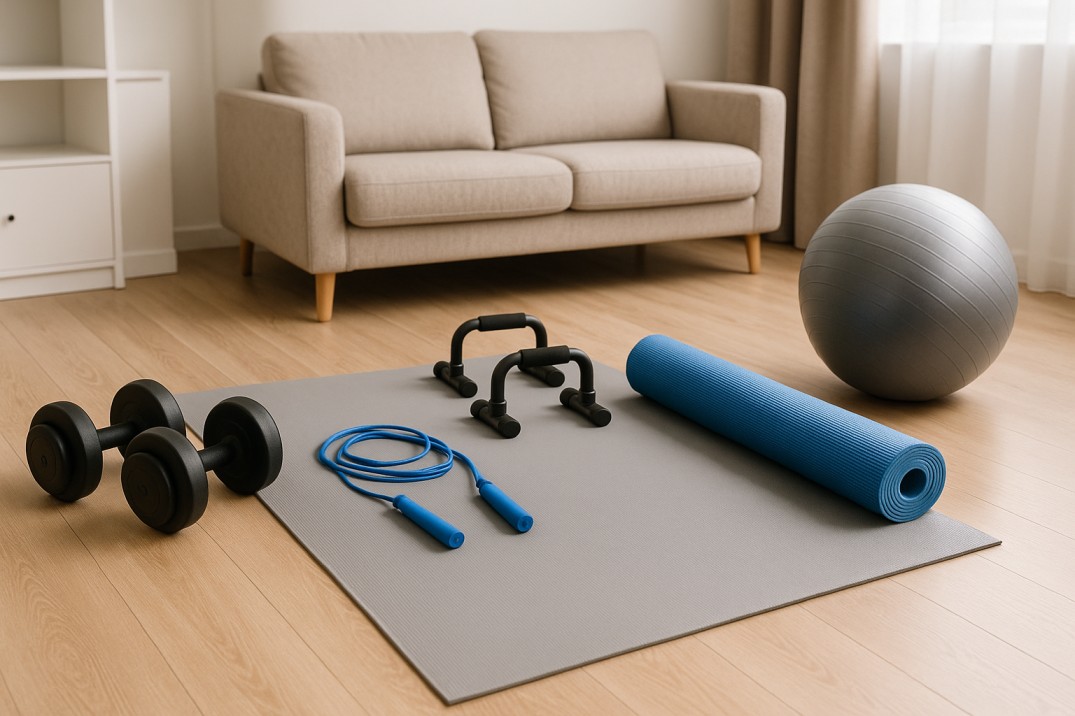
Martial arts offers one of the best full-body workouts you can get. It improves flexibility, balance, stamina, and coordination. Whether it’s practicing kicks, stances, or blocks, every movement engages multiple muscle groups. Over time, students become stronger, quicker, and more controlled. This physical fitness is not about looking muscular; it’s about feeling capable.
2. Learning Discipline and Consistency
The biggest lesson martial arts teaches is discipline. You can’t master a skill in a day. You show up, repeat the basics, fail, try again, and slowly grow. This discipline naturally carries into daily life—students start focusing better, waking up on time, and handling responsibilities with more maturity. It teaches that improvement is a long game, and consistency wins.
3. Building Confidence and Self-Belief
There is something special about learning how to move your body with purpose. When someone learns to defend themselves, their confidence rises. Not in a loud or arrogant way, but as quiet self-belief. Martial arts helps people overcome fears, trust themselves, and realize that they are stronger than they thought.
4. Managing Stress and Emotions
Life is stressful, especially for students and working adults. Martial arts becomes a healthy outlet. Training helps release tension, clears the mind, and teaches emotional control. Instead of reacting impulsively, students learn to stay calm under pressure—both in training and in real life.
5. Building Respect and Humility
Every martial arts class begins with respect—bowing to the instructor, acknowledging teammates, and valuing the learning process. No matter how skilled you get, arrogance has no place. It teaches humility, kindness, and cooperation. You quickly learn that strength means nothing without character.
6. Promoting Self-Defence and Safety
One of the practical benefits is self-defence. Students learn how to protect themselves in unsafe situations, how to stay aware of their surroundings, and how to make smart decisions. But martial arts also teaches restraint. The goal is always to avoid conflict, not start it.
7. Creating a Sense of Community
Training halls often feel like family. People train together, struggle together, and celebrate progress together. You meet people of all ages and backgrounds, all trying to grow. This sense of belonging gives students support, motivation, and lifelong friendships.
Conclusion
Martial arts is not just a physical activity—it’s a journey. It teaches patience, resilience, focus, and inner strength. It makes you fitter, more confident, and more disciplined in every part of life. Whether you are a student, a working professional, or someone simply looking for direction, martial arts offers a path of growth that lasts a lifetime.
:max_bytes(150000):strip_icc():format(webp)/marginalutility-cff85ddfd620484f8afbf9d3f6cf4b74.jpg)
:max_bytes(150000):strip_icc():format(webp)/TermDefinitions_Utility-e42a7528caa347f9b1af149065ab2b9d.jpg)