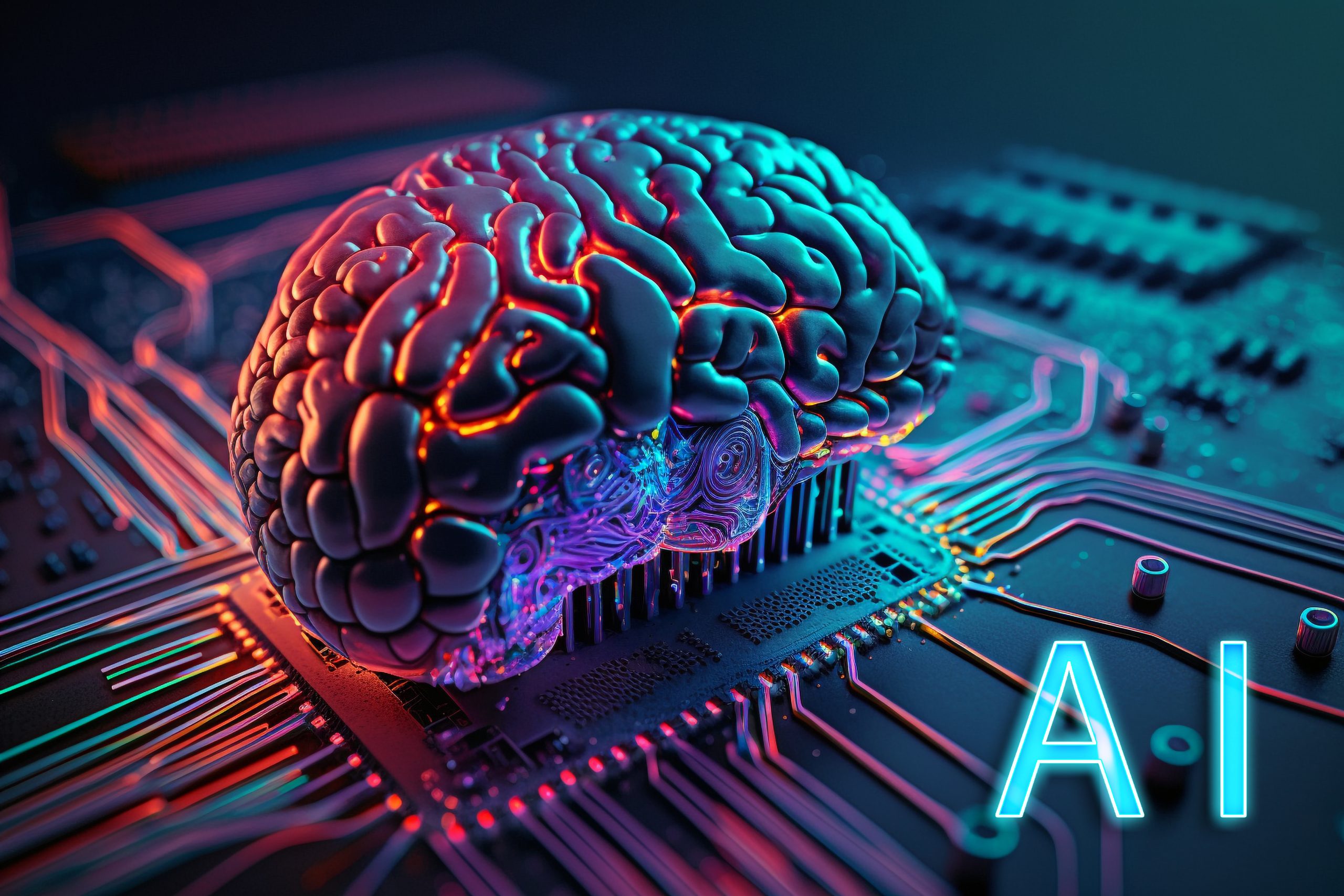
Here’s a complete post you can use about “What is AI?” — feel free to adapt it for a blog, social media, or an article:
🤖 What is AI? An Introduction to Artificial Intelligence
Artificial Intelligence, or AI, is a branch of computer science that aims to create machines and software capable of performing tasks that normally require human intelligence. From voice assistants like Siri and Alexa to self-driving cars and personalized recommendations on Netflix — AI is becoming a part of our everyday lives.
📚 Definition of AI
At its core, AI is the simulation of human intelligence by machines. These intelligent systems are designed to think, learn, and make decisions, often by analyzing vast amounts of data.
🧠 Types of AI
AI can be broadly divided into three categories:
-
Narrow AI (Weak AI): Designed for a specific task. Examples include chatbots, spam filters, or recommendation engines.
-
General AI (Strong AI): A theoretical concept where a machine would have human-level intelligence and can perform any intellectual task a human can.
-
Superintelligent AI: A level beyond human intelligence — often seen in science fiction. This is still purely hypothetical.
⚙️ How Does AI Work?
AI works through a combination of:
-
Data: Large amounts of data help AI systems learn patterns.
-
Algorithms: These are sets of rules that guide how the AI analyzes data and makes decisions.
-
Machine Learning (ML): A subset of AI that enables systems to learn from data and improve over time without being explicitly programmed.
-
Deep Learning: A more advanced part of ML that uses artificial neural networks to mimic the human brain.
🌐 Where is AI Used?
AI is used in many industries today:
-
Healthcare: Diagnosing diseases, drug discovery, medical imaging.
-
Finance: Fraud detection, algorithmic trading, customer support.
-
Retail & E-commerce: Personalized shopping, chatbots, inventory management.
-
Transportation: Self-driving cars, route optimization.
-
Entertainment: Movie and music recommendations, gaming.
🏆 Benefits of AI
✅ Increased efficiency and productivity.
✅ Automation of repetitive tasks.
✅ Improved decision-making through data analysis.
✅ Enhanced customer experiences.
⚠️ Challenges & Concerns
With all its potential, AI also brings challenges:
-
Job displacement due to automation.
-
Bias in algorithms if data is not diverse or fair.
-
Privacy concerns due to data collection.
-
Ethical dilemmas about how AI should be used.
🔮 The Future of AI
AI is advancing rapidly and will continue to transform the way we live and work. Responsible development and ethical use are crucial to ensuring that AI benefits society as a whole.
📢 Final Thoughts
Artificial Intelligence is not just the future — it’s the present. Whether you realize it or not, AI is already woven into many aspects of your daily life. Understanding what AI is and how it works helps us use it wisely and prepare for the opportunities and challenges ahead.
Would you like me to adapt this post for your website, Instagram, LinkedIn, or YouTube? I can also create a shorter version or an infographic outline if you want! 🚀✨

